
Owning a Subaru carries a responsibility, including regular maintenance, to ensure that the vehicle operates efficiently and safely. Routine Subaru servicing is crucial for keeping your car in good condition. But sometimes, basic services are not enough to maintain your vehicle’s performance and appearance over time.
Comprehensive Subaru servicing extends beyond routine maintenance; it often involves replacing or repairing essential components using genuine Subaru parts to ensure optimal performance.
How can you tell when your Subaru needs servicing? Here are the key indicators that indicate it’s time for maintenance.
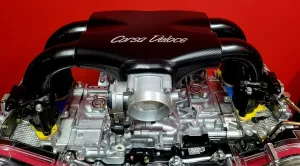
Decline in Vehicle Performance
While routine servicing keeps the engine and mechanical systems in check, there are times when your vehicle’s performance may start to decline despite regular maintenance. This could indicate that your car requires a more in-depth servicing process.
Signs of performance decline:
- Decreased power: If you notice a drop in acceleration or power, it might be time to look beyond regular maintenance. Engine components could be worn out or in need of repair, and proper servicing can address this by replacing necessary parts with genuine Subaru parts.
- Increased fuel consumption: If your Subaru suddenly starts using more fuel than usual, it may indicate engine inefficiency. Servicing can help restore the engine’s performance by cleaning or replacing critical parts.
- Unusual noises: Knocking, grinding, or squealing noises coming from the engine, brakes, or suspension often indicate significant issues that routine servicing might not resolve. Proper Subaru servicing can identify and address the root cause of these noises, restoring your car’s smooth operation.
Suspension and Steering Problems
Your Subaru’s suspension and steering systems are vital for a comfortable and safe driving experience. When these systems show signs of wear, it can affect how your car handles on the road. With proper Subaru servicing, your suspension and steering can restore the smoothness and control of your driving.
Key indicators:
- Bumpy ride: If your car feels unusually bumpy, even on smooth roads, it could indicate that your shock absorbers or struts are worn out. Servicing can involve replacing these components with genuine Subaru parts to restore a smoother ride.
- Uneven tyre wear: If your tyres are wearing unevenly, it may be due to an issue with the suspension or wheel alignment. Subaru servicing or maintenance can correct these issues, extending the life of your tyres.
- Difficulty steering: If your steering feels stiff, loose, or unresponsive, it’s a sign that your steering system may need attention. Servicing can fix or replace worn-out components, ensuring your car handles correctly.
Brake System Issues
Subaru vehicles have complex electrical systems that control everything from headlights to infotainment systems. If these systems start malfunctioning, it may require more than just a battery replacement or fuse check.
Electrical issues that indicate servicing:
- Flickering or non-functional lights: If your headlights, taillights, or interior lights flicker or fail to turn on, it could indicate a deeper electrical issue. Subaru servicing can involve repairing the wiring or replacing malfunctioning components.
- Power windows and locks malfunctions: When power windows or locks cease to function correctly, it’s an indication that your vehicle’s electrical system requires professional service to resolve the issue.
- Battery and alternator problems: Frequent battery failure or alternator issues can affect your car’s performance. Having a professional fix the electrical system can resolve these issues, ensuring your car starts and runs smoothly.
Persistent Dashboard Warning Lights
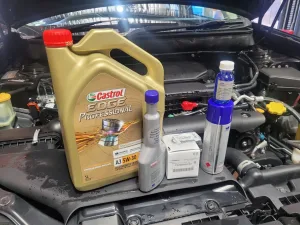
Modern Subaru vehicles are equipped with warning lights to alert you to potential issues. If these lights persist even after routine servicing, it may indicate a more serious problem that requires in- depth servicing.
Common dashboard lights to watch for:
- Check engine light: A constantly illuminated check engine light can indicate anything from minor sensor issues to significant engine problems. If it remains on after routine servicing, comprehensive servicing may be necessary to address the underlying cause.
- ABS warning light: This signals an issue with the anti-lock braking system, which is crucial for safe driving. Servicing it can resolve problems or replace defective ABS components.
- Oil pressure light: Low oil pressure can lead to significant engine damage if not promptly addressed. Proper servicing involves identifying the cause of the issue and either replacing or repairing the affected components.
Routine Subaru servicing is essential for maintaining your vehicle’s overall health, but there are times when more comprehensive work is required. Having it serviced by professionals goes beyond regular maintenance, addressing issues that routine servicing cannot fix. From performance declines to electrical system failures, servicing helps ensure your Subaru stays in top shape for years.